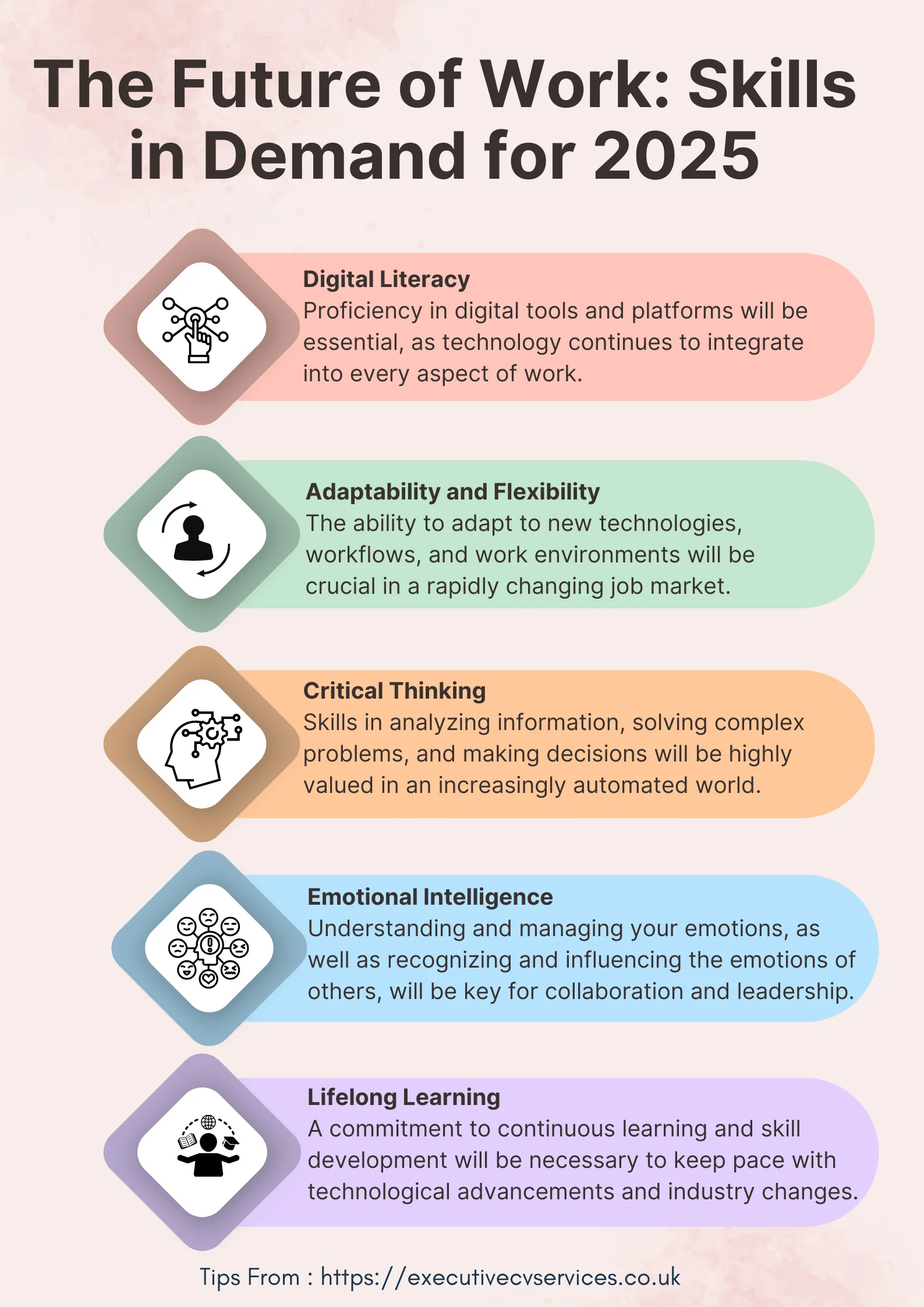

The job market in 2026 is more competitive — and more lucrative — than ever. Technology continues to evolve at breakneck speed, and the skills that command the highest salaries have shifted dramatically since 2024.
Whether you’re looking to enter tech, switch careers, or stay ahead of the curve, this guide breaks down exactly which skills employers are paying top dollar for right now, including:
- Real salary ranges from job market data
- Why these skills are in demand
- Career paths and progression
- Tools and certifications to learn
- Realistic timelines to proficiency
- Where to find learning resources
Take Our Free Career Assessment
At Talent Loop, we help professionals identify high-income opportunities, develop in-demand skills, and connect with employers who value their expertise.
Take Our Free Career Assessment →1. AI & Machine Learning Engineering

AI and Machine Learning are reshaping every industry.
Why It Matters
AI and Machine Learning are reshaping every industry. Companies need engineers who can build models, deploy ML systems at scale, and implement AI solutions that actually work. The gap between supply and demand has never been wider.
What You’ll Do
- Design and train machine learning models
- Build scalable ML infrastructure
- Implement LLM-based applications
- Optimize models for production
- Work with large datasets and distributed systems
Skills & Tools
Programming: Python, Scala, Java
Frameworks: TensorFlow, PyTorch, JAX
Platforms: AWS SageMaker, Google Vertex AI, Azure ML
Related Skills: Statistics, Linear Algebra, Data Engineering
How to Get Started
- Duration: 6–12 months with intense study
- Prerequisites: Strong Python, Linear Algebra, Statistics
- Certifications: AWS ML Specialist, Google Cloud ML Engineer
- Learning Path: FastAI, Andrew Ng’s ML course, then specialize in LLMs

Andrew Ng explains Machine Learning — one of the best starting points for beginners.
2. Cloud Architecture (AWS, Azure, GCP)

Cloud infrastructure powers every modern business.
Why It Matters
Cloud migration isn’t new anymore — it’s mandatory. Every enterprise is moving to the cloud, and they need architects who can design secure, scalable systems. Cloud skills are non-negotiable in 2026.
What You’ll Do
- Design cloud infrastructure for enterprise applications
- Ensure security, scalability, and cost optimization
- Lead migration projects from on-prem to cloud
- Implement multi-cloud strategies
- Mentor junior engineers on cloud best practices
Skills & Tools
Cloud Platforms: AWS (EC2, S3, Lambda, RDS), Azure (VMs, AKS, Functions), GCP
DevOps: Terraform, CloudFormation, Ansible
Containerization: Docker, Kubernetes
Related Skills: Networking, Linux, Security
How to Get Started
- Duration: 6–9 months of intensive study
- Prerequisites: Linux fundamentals, networking basics
- Certifications: AWS Solutions Architect, Azure Administrator, GCP Cloud Architect
- Learning Path: A Cloud Guru, Linux Academy, then hands-on labs
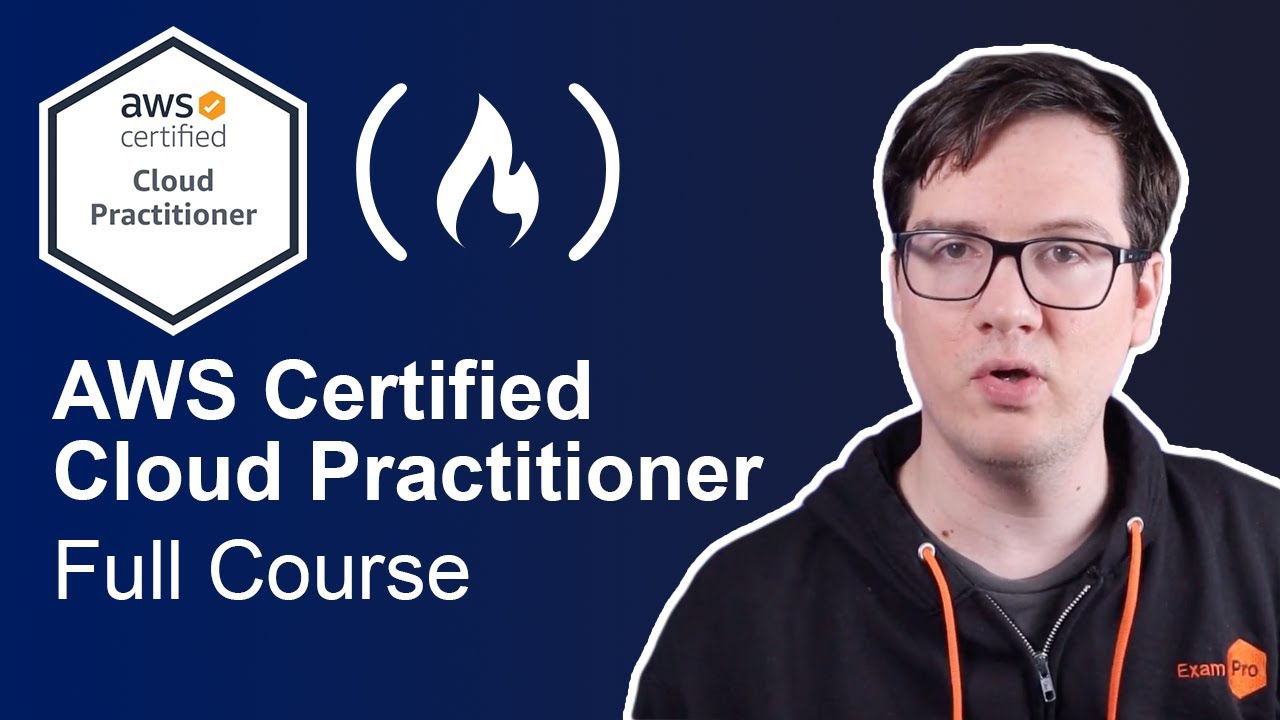
A complete AWS Cloud Practitioner course to get you started with cloud architecture.
3. Full-Stack Web Development

Every company needs a web presence — full-stack developers make it happen.
Why It Matters
Every company needs a web presence. Full-stack developers are invaluable because they can handle entire projects from database to UI. The demand is consistent and the salary growth is real.
What You’ll Do
- Build responsive web applications
- Design and optimize databases
- Implement user authentication and security
- Deploy applications at scale
- Collaborate across teams on product features
Skills & Tools
Frontend: React, Vue, TypeScript, Tailwind CSS
Backend: Node.js, Python (Django/FastAPI), Go, Rust
Databases: PostgreSQL, MongoDB, Redis
DevOps: Docker, GitHub Actions, CI/CD
How to Get Started
- Duration: 3–6 months to entry-level, 2–3 years to senior
- Prerequisites: JavaScript/TypeScript fundamentals
- Best Learning: Build projects, contribute to open source, portfolio-driven
- Bootcamp Option: 12-week intensive bootcamps available

Traversy Media breaks down the complete full-stack development roadmap for 2024–2026.
4. Data Science & Analytics

Data-driven decisions start with professionals who can read the numbers.
Why It Matters
Data-driven decision making is no longer optional. Companies need professionals who can extract insights from massive datasets and tell data stories that drive business decisions.
What You’ll Do
- Analyze large datasets to find patterns and insights
- Create dashboards and visualizations
- Build predictive models
- Present findings to non-technical stakeholders
- Collaborate with product and engineering teams
Skills & Tools
Programming: Python, R, SQL
Visualization: Tableau, Power BI, Looker
Statistical Analysis: Hypothesis testing, A/B testing, Regression
Platforms: Snowflake, BigQuery, Redshift
How to Get Started
- Duration: 4–8 months for solid fundamentals
- Prerequisites: Statistics basics, SQL, Python
- Certifications: Google Data Analytics, Tableau Desktop Specialist
- Learning: Kaggle competitions, personal data projects

A complete beginner-friendly data science course covering Python, statistics, and visualization.
5. DevOps & Infrastructure Automation

DevOps automation keeps modern software teams moving fast.
Why It Matters
In 2026, DevOps isn’t a separate role — it’s integrated into every engineering team. The ability to automate deployment, manage infrastructure, and enable continuous delivery is essential.
What You’ll Do
- Automate deployment pipelines
- Manage cloud infrastructure as code
- Implement monitoring and logging
- Ensure system reliability and uptime
- Optimize infrastructure costs
Skills & Tools
IaC Tools: Terraform, CloudFormation, Pulumi
Containerization: Docker, Kubernetes, Helm
CI/CD: GitHub Actions, GitLab CI, Jenkins
Monitoring: Prometheus, Grafana, ELK Stack, DataDog
How to Get Started
- Duration: 6–12 months to job-ready
- Prerequisites: Linux/Unix, scripting (Bash/Python), networking basics
- Certifications: Kubernetes CKA, AWS DevOps Engineer
- Best Way: Start in a junior DevOps role or transition from SRE
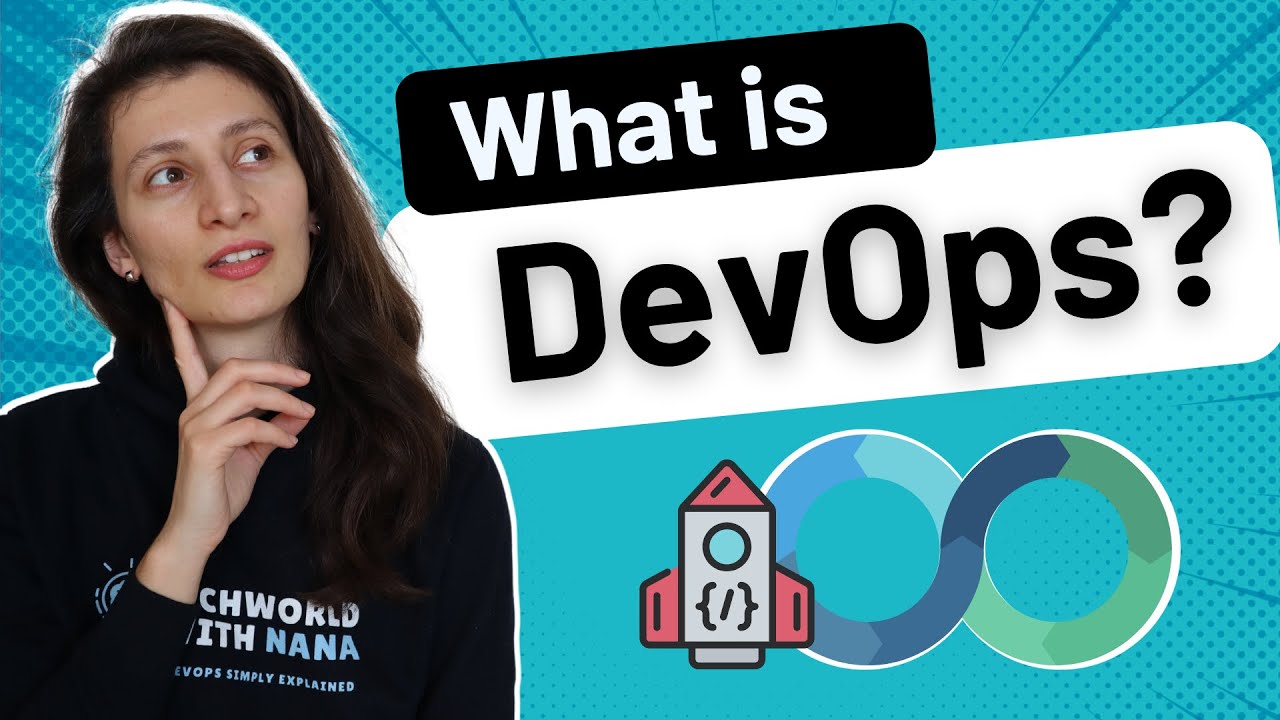
A thorough introduction to DevOps engineering covering CI/CD, Docker, and Kubernetes.
6. Cybersecurity & Ethical Hacking

Cyber threats are escalating — organisations desperately need security professionals.
Why It Matters
Cyber threats are escalating, regulatory requirements are tightening, and every company is desperate for security professionals. This is one of the most in-demand fields in tech right now.
What You’ll Do
- Conduct penetration testing and vulnerability assessments
- Design security architectures
- Monitor networks for threats
- Implement security policies and compliance frameworks
- Respond to security incidents
Skills & Tools
Technical: Network security, Linux/Windows hardening, Encryption
Tools: Metasploit, Burp Suite, Wireshark, Nmap
Knowledge Areas: OWASP, SOC 2, GDPR, HIPAA
Specializations: Cloud security, API security, AppSec
How to Get Started
- Duration: 8–12 months with prior IT experience
- Prerequisites: Networking, Linux/Windows administration
- Certifications: CEH (Certified Ethical Hacker), OSCP, Security+
- Career Path: Often requires IT background first
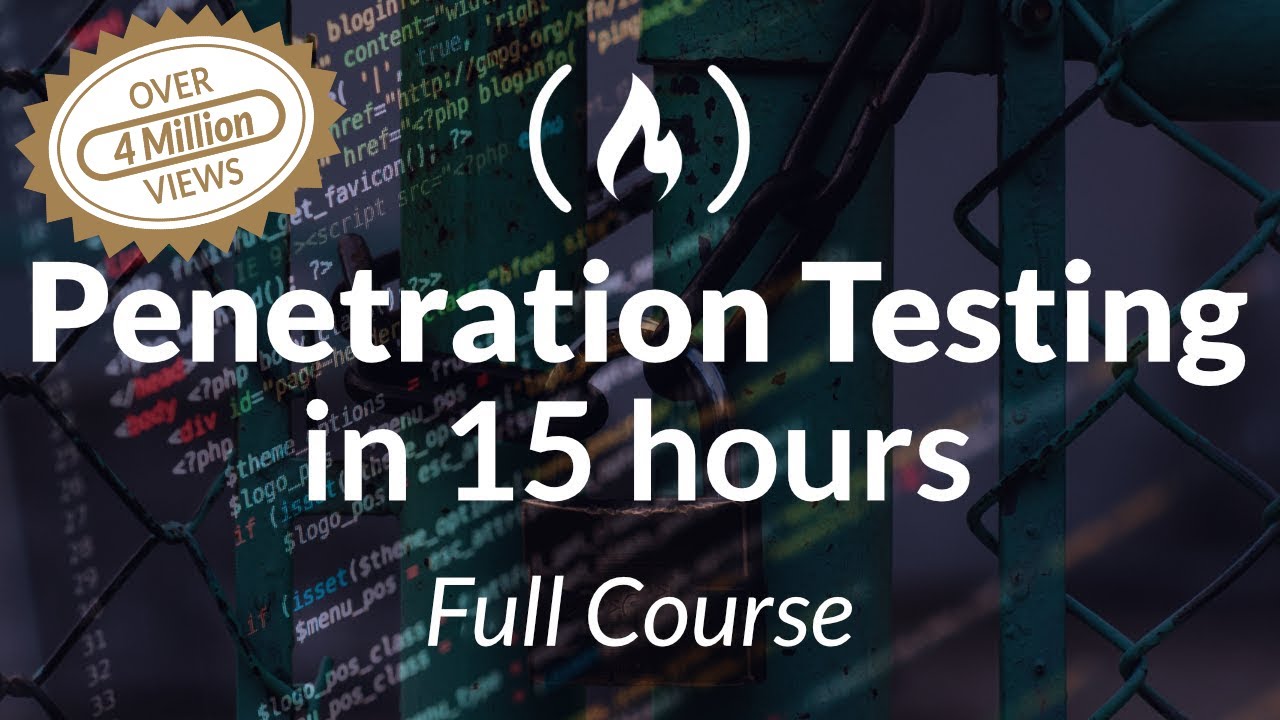
A full ethical hacking course covering penetration testing, tools, and techniques.
7. Product Management

Product managers are the CEOs of their products.
Why It Matters
Product managers are the CEOs of their products. With so many companies building software, the demand for talented product managers is enormous — and the pay reflects it.
What You’ll Do
- Define product strategy and roadmap
- Conduct user research and competitive analysis
- Prioritize features and set metrics
- Lead cross-functional teams (engineering, design, marketing)
- Present to stakeholders and executives
Skills & Tools
Core Competencies: Strategic thinking, data analysis, communication
Tools: Figma, Jira, Amplitude, Mixpanel
Knowledge: Product-market fit, user personas, OKRs, agile
Nice to Have: Some technical background, business acumen
How to Get Started
- Duration: 2–3 years in related roles before becoming PM
- Transition Paths: Engineering → Technical PM, Sales → Product, Design → PM
- Certifications: Reforge, Product School
- Key Skill: Ability to influence without authority

Y Combinator on what it really takes to be a great product manager.
8. Technical Writing & Documentation

Clear documentation is the unsung backbone of every great software product.
Why It Matters
As codebases and products become more complex, the need for clear documentation becomes critical. Technical writers are becoming core team members, especially at API-first and developer-focused companies.
What You’ll Do
- Write API documentation
- Create tutorials and guides
- Maintain README files and code comments
- Document system architecture
- Collaborate with engineers to clarify complex concepts
Skills & Tools
Technical Skills: Markdown, HTML/CSS, Git, API basics
Tools: Swagger/OpenAPI, MkDocs, Sphinx, Notion
Writing Skills: Clarity, audience awareness, organization
Nice to Have: Programming experience (Python/JavaScript)
How to Get Started
- Duration: 2–4 months to entry-level skills
- Prerequisites: Strong writing skills, basic technical understanding
- Certifications: Write the Docs resources, Google Technical Writing course
- Portfolio Building: Contribute to open source docs
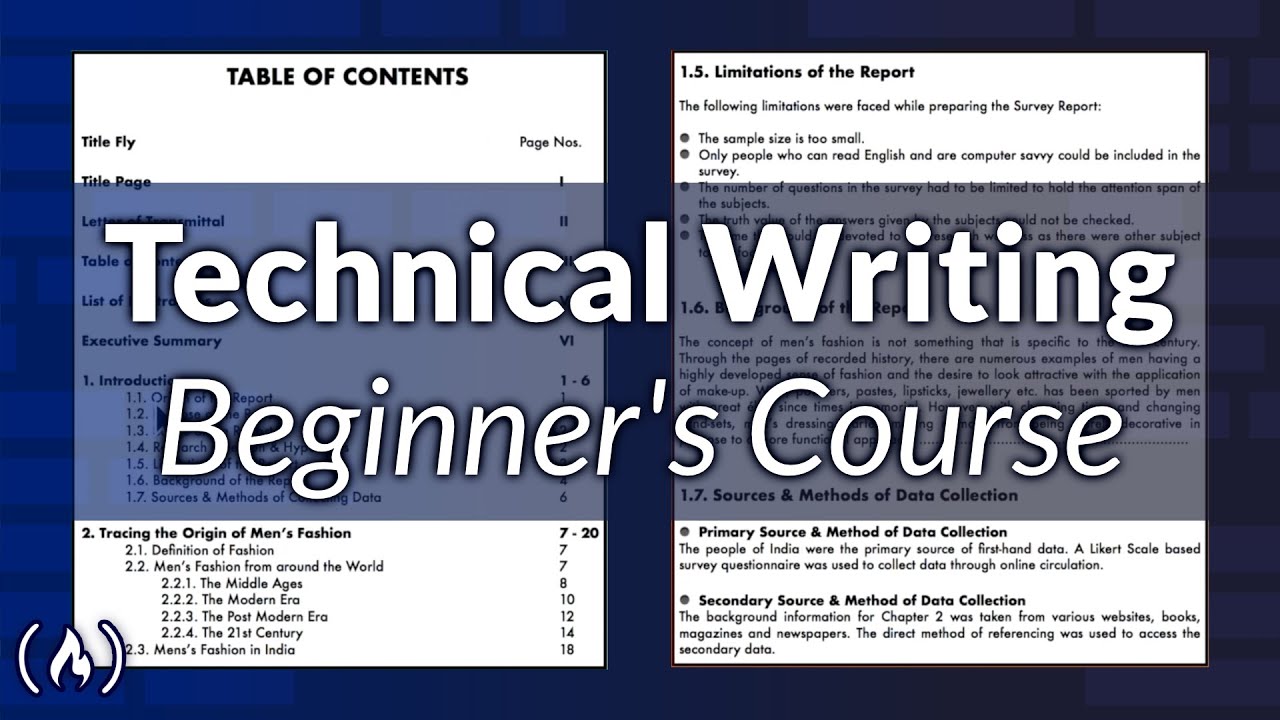
freeCodeCamp's technical writing course for beginners.
9. Blockchain & Web3 Development

Blockchain and Web3 are maturing into enterprise-grade technologies.
Why It Matters
Blockchain and Web3 technologies remain important despite market volatility. Enterprise blockchain projects are thriving, and developers who understand smart contracts and distributed systems are in demand.
What You’ll Do
- Develop smart contracts (Solidity, Rust, Move)
- Build decentralized applications (DApps)
- Implement blockchain security protocols
- Work with consensus mechanisms
- Design tokenomics and incentive structures
Skills & Tools
Languages: Solidity, Rust, Go, JavaScript
Platforms: Ethereum, Solana, Polygon, Polkadot
Tools: Hardhat, Remix, Anchor, Web3.js
Concepts: Cryptography, DeFi, NFTs, DAO governance
How to Get Started
- Duration: 4–8 months with solid programming background
- Prerequisites: Strong programming skills, cryptography basics
- Resources: CryptoZombies, Ethereum.org, Solana Developer Program
- Note: Market is volatile — build skills, not just chase hype
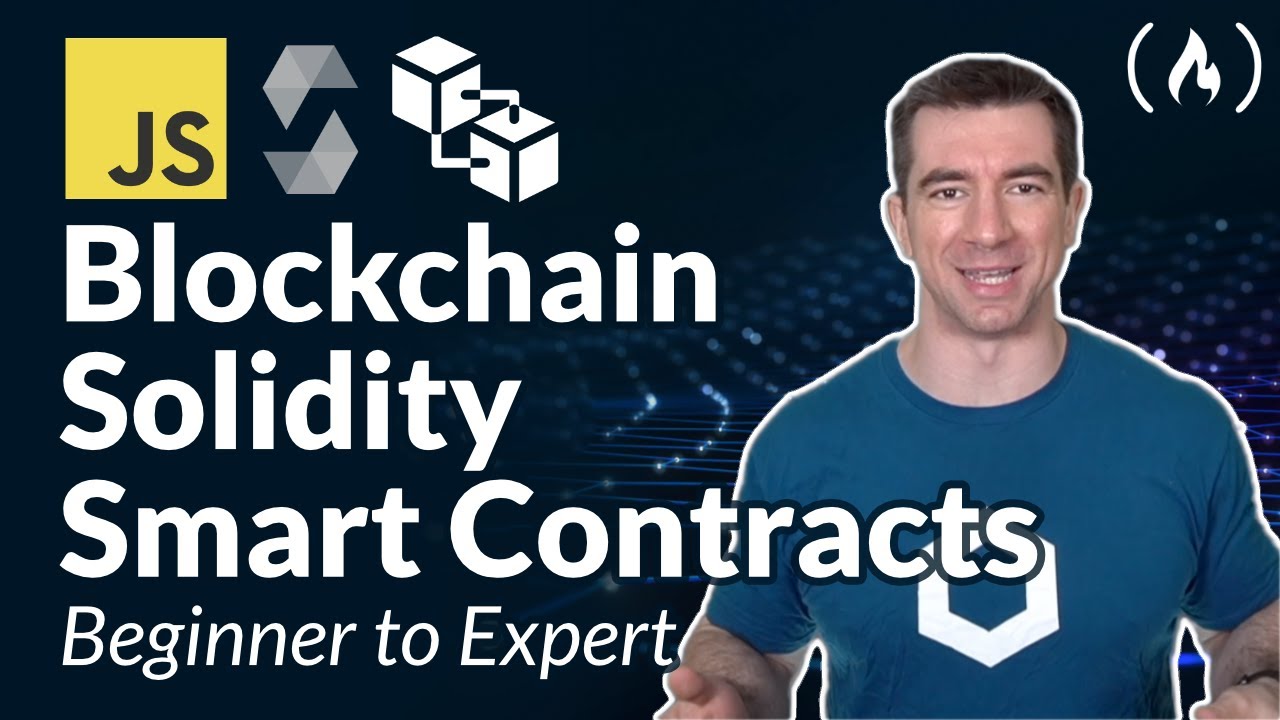
Patrick Collins’ complete Solidity and blockchain development course — industry standard for Web3 beginners.
10. UI/UX Design

Good design directly impacts user retention and revenue.
Why It Matters
Good design directly impacts user retention and revenue. Companies are prioritizing user experience more than ever, making design skills incredibly valuable.
What You’ll Do
- Design user interfaces for web and mobile apps
- Conduct user research and usability testing
- Create wireframes, prototypes, and design systems
- Collaborate with product and engineering teams
- Iterate based on user feedback and analytics
Skills & Tools
Design Tools: Figma, Adobe XD, Sketch
Technical: Responsive design, CSS basics, accessibility (WCAG)
Soft Skills: User empathy, communication, collaboration
Knowledge: Design systems, typography, color theory
How to Get Started
- Duration: 3–6 months to entry-level, 2–3 years to senior
- Prerequisites: Strong visual sense, attention to detail
- Learning: Design bootcamps, Figma tutorials, design communities
- Portfolio: Critical — build 3–5 strong portfolio pieces
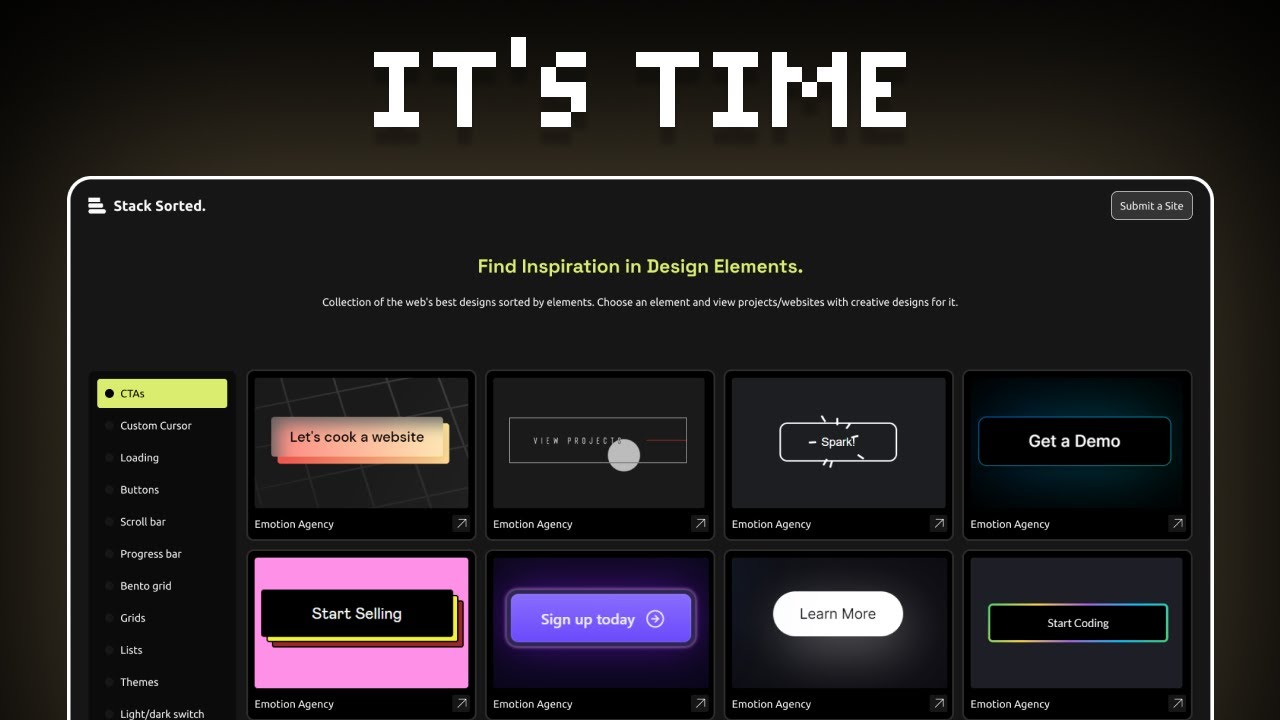
An introduction to UX design principles from Google’s professional certificate programme.
11. Solutions Architecture

Solutions architects bridge the gap between business needs and technical reality.
Why It Matters
Solutions architects bridge the gap between business needs and technical implementation. They’re in high demand at enterprise software companies and consulting firms.
What You’ll Do
- Design complex technical solutions for business problems
- Work closely with sales and customers
- Create architecture diagrams and technical specifications
- Validate feasibility and recommend best practices
- Mentor technical teams during implementation
Skills & Tools
Core Competencies: System design, technical communication, business acumen
Technology Breadth: Databases, APIs, infrastructure, security
Tools: Lucidchart, Draw.io, Visio
Certifications: AWS Solutions Architect, Azure Solutions Architect
How to Get Started
- Duration: 3–5 years in technical roles first
- Path: Usually engineer → senior engineer → solutions architect
- Key Skills: Communication, ability to explain complex topics simply
- Best Fit: People who enjoy mentoring and business context
A comprehensive system design course that builds the foundation for solutions architecture.
12. SEO & Digital Marketing

SEO and digital marketing remain the backbone of online brand growth.
Why It Matters
In 2026, SEO remains crucial for organic traffic and brand visibility. As competition online intensifies, companies invest heavily in digital marketing and SEO talent.
What You’ll Do
- Optimize websites for search engines
- Conduct keyword research and competitor analysis
- Create content strategies
- Manage paid advertising campaigns
- Track metrics and improve conversion rates
Skills & Tools
Technical SEO: Core Web Vitals, mobile optimization, site architecture
Tools: Google Analytics 4, SEMrush, Ahrefs, Google Search Console
Content Skills: Copywriting, keyword research, content optimization
Paid Ads: Google Ads, Facebook Ads, programmatic advertising
How to Get Started
- Duration: 2–4 months to entry-level competency
- Prerequisites: Basic marketing knowledge, analytical mindset
- Certifications: Google Analytics, Google Ads, HubSpot Certification
- Best Learning: Hands-on experience, small projects, case studies

Ahrefs’ comprehensive SEO course for beginners — from keywords to link building.
13. Project & Program Management

Skilled project managers keep every team on time, on scope, and on budget.
Why It Matters
Every company has projects. Skilled project and program managers who can deliver on time and budget are consistently in demand across all industries.
What You’ll Do
- Plan and schedule project activities
- Manage budgets and resources
- Track progress and manage risks
- Communicate with stakeholders
- Lead teams through complex initiatives
Skills & Tools
Methodologies: Agile/Scrum, Waterfall, Kanban
Tools: Jira, Asana, Monday.com, Microsoft Project
Soft Skills: Leadership, communication, conflict resolution, negotiation
Knowledge Areas: Risk management, budget planning, stakeholder management
How to Get Started
- Duration: 6–12 months with prior team leadership experience
- Certifications: PMP, CAPM, CSM, SAFe
- Learning Path: Project Management Institute (PMI), Coursera
- Transition: Often from senior individual contributor roles

An overview of the Google Project Management Certificate — one of the fastest routes to PMP readiness.
14. Business Analysis

Business analysts translate strategy into execution — an indispensable role in digital transformation.
Why It Matters
Business analysts bridge the gap between business needs and technical solutions. They’re essential in any organization undergoing digital transformation.
What You’ll Do
- Gather and analyze business requirements
- Identify process improvements and optimization opportunities
- Create process maps and requirements documents
- Validate solutions against business needs
- Facilitate communication between business and IT
Skills & Tools
Core Skills: Requirements gathering, analysis, communication
Tools: Lucidchart, SQL, Excel, Jira, Confluence
Knowledge: Business process modeling, stakeholder management
Domain Knowledge: Varies by industry
How to Get Started
- Duration: 6–12 months with some business background
- Certifications: CBAP, ECBA (IIBA), Scrum Product Owner
- Best Path: Often from customer service, operations, or IT roles
- Key Trait: Curiosity about how businesses work

A full business analytics course from Simplilearn covering requirements, data analysis, and process modeling.
15. Financial Modeling & Analysis

Financial modellers turn raw numbers into strategic business decisions.
Why It Matters
With economic uncertainty, companies need professionals who can build financial models, forecast scenarios, and guide strategic decisions. Financial analysts are highly valued and well-compensated.
What You’ll Do
- Build financial models and forecasts
- Analyze financial statements and metrics
- Perform valuation analysis
- Present insights to leadership
- Support strategic planning and M&A activities
Skills & Tools
Technical: Excel (advanced), Python, SQL, VBA
Knowledge: Accounting, corporate finance, valuation methods
Tools: Bloomberg Terminal, Refinitiv, Python (Pandas/NumPy)
Certifications: CFA, FP&A, SQL for finance
How to Get Started
- Duration: 3–6 months to job-ready with finance background
- Prerequisites: Accounting/finance education or self-study
- Excel Mastery: Critical — invest time in advanced Excel skills
- Path: Accounting → FP&A, Investment Banking → Corporate Finance
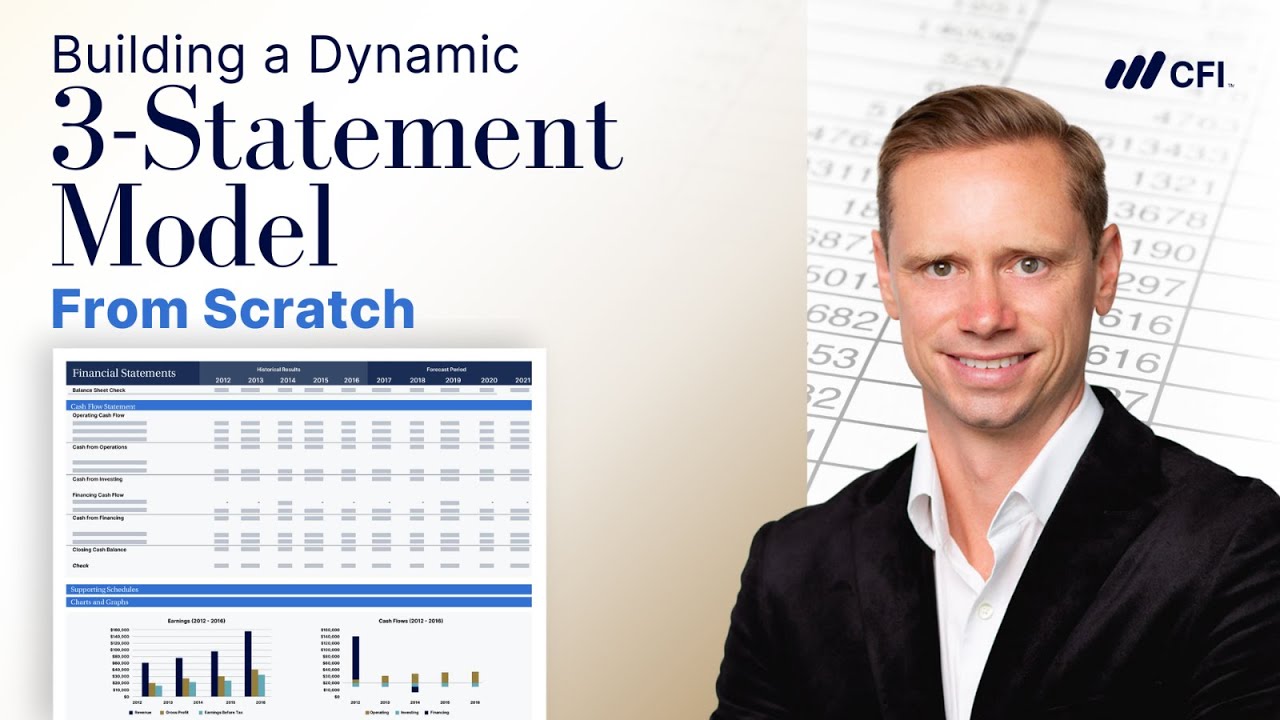
CFI CEO Tim Vipond walks through building a complete three-statement financial model in Excel.
16. Sales Engineering (Sales Enablement)

Sales engineers combine technical depth with persuasion — closing the biggest B2B deals.
Why It Matters
In B2B SaaS, sales engineers are critical for closing deals. They combine technical knowledge with sales savvy to help customers understand and implement solutions.
What You’ll Do
- Demo products to prospective customers
- Address technical concerns and questions
- Build custom proofs of concept
- Collaborate with sales teams
- Gather customer feedback for product improvements
Skills & Tools
Technical: Product knowledge, architecture, integration
Sales Skills: Presentation, negotiation, relationship building
Tools: Salesforce, Gong, product-specific tools
Soft Skills: Communication, empathy, adaptability
How to Get Started
- Duration: 3–6 months of training in a new role
- Background: Engineering or sales with technical skills
- Ideal Traits: People skills + technical depth + charisma
- Earning Potential: High due to commission opportunities

An overview of the sales engineering career from the League of Sales Engineers.
17. Leadership & Strategic Planning

Great leaders are rare, invaluable, and always in demand.
Why It Matters
Great leaders are rare and invaluable. As companies scale, the demand for leaders who can build teams, set vision, and execute strategy only increases.
What You’ll Do
- Build and develop high-performing teams
- Define strategic direction and goals
- Make critical business decisions
- Mentor and develop direct reports
- Drive organizational change
Skills & Tools
Core Competencies: Emotional intelligence, strategic thinking, decision-making
Knowledge Areas: Business strategy, organizational behavior, change management
Skills: Communication, delegation, conflict resolution, vision setting
Tools: OKRs, dashboards, employee engagement platforms
How to Get Started
- Duration: 5–10 years to leadership roles
- Path: Individual contributor → senior role → manager → director → executive
- Learning: MBA (optional but helpful), leadership coaching, mentorship
- Critical Insight: Leadership isn’t a destination — it’s continuous growth

Simon Sinek on what separates extraordinary leaders from everyone else.
18. Soft Skills: Communication & Negotiation

Communication and negotiation are the highest-ROI skills for any career.
Why It Matters
The most overlooked yet most valuable skill in tech. Strong communication and negotiation skills set you apart, increase your earning potential, and open doors to leadership roles.
What You’ll Do
- Present ideas clearly to technical and non-technical audiences
- Negotiate salary, scope, and timelines
- Collaborate across teams effectively
- Write clear documentation and proposals
- Resolve conflicts and difficult conversations
Skills & Tools
Communication: Written, verbal, presentation, storytelling
Negotiation: Active listening, win-win thinking, assertiveness
Emotional Intelligence: Self-awareness, empathy, relationship management
Tools: Public speaking practice, writing workshops, communication coaching
How to Get Started
- Duration: Ongoing practice — 3–6 months for noticeable improvement
- Methods: Toastmasters, presentation coaching, reading, public speaking
- Most Impactful: Intentional practice + feedback + mentorship
- ROI: Highest ROI skill for career advancement

Chris Voss, former FBI hostage negotiator, shares the negotiation skills that translate directly to salary and career conversations.
How to Learn These Skills in 2026
The learning landscape has transformed. Here are the best ways to build these skills:
Online Courses & Platforms
- Specialized Platforms: Reforge, Maven Analytics, Coursera, edX
- Technical Skills: A Cloud Guru, Pluralsight, Linux Academy, Codecademy
- Design: Interaction Design Foundation, Skillshare
- Business: MasterClass, Udemy, LinkedIn Learning
Bootcamps & Intensive Programs
- 12-week full-time coding bootcamps ($10K–$20K)
- Cloud certifications bootcamps (4–8 weeks)
- Data science intensive programs
- Product management bootcamps
Self-Directed Learning
- Build projects in your spare time
- Contribute to open source
- Follow industry blogs and newsletters
- Join communities (Dev.to, Product Hunt, Reddit)
- Study existing projects and codebases
Certifications
- Cloud certifications (AWS, Azure, GCP)
- Security certifications (CEH, OSCP)
- Project management (PMP, CAPM)
- Industry-specific credentials
Key Insights for Career Success in 2026
1. Skills Compound
The more skills you develop, the more valuable you become. A developer who understands cloud, DevOps, and security is worth significantly more than one with just one skill.
2. Soft Skills Unlock Salary Growth
You’ll hit a ceiling relying only on technical depth. Communication, negotiation, and leadership skills are what move you into higher-paying roles.
3. Specialization + Breadth = Maximum Value
Have deep expertise in one area, but understand the surrounding ecosystem. A data scientist who knows cloud platforms and business strategy is invaluable.
4. Learning Never Stops
Technology changes rapidly. The professionals earning the most in 2026 are committed to continuous learning and staying ahead of trends.
5. Build Your Personal Brand
Share your knowledge. Write, speak at conferences, contribute to open source. Your personal brand becomes your professional currency.
6. Network Strategically
Your network determines your net worth. Invest in genuine relationships with people in your field. Most high-paying jobs are filled through referrals.
Salary Negotiation Tips for High-Income Skills
- Know Your Market Value: Use Levels.fyi, Blind, Glassdoor, and salary surveys specific to your role and location.
- Get Offers in Writing: Never negotiate on a phone call. Get the offer in writing, then negotiate with data.
- Negotiate More Than Salary: Bonus, equity, sign-on bonus, remote flexibility, PTO, and professional development are all negotiable.
- Use Multiple Offers: The best time to negotiate salary is when you have competing offers. Use them.
- Lead with Value: Explain why you’re worth the salary you’re asking for. Be specific about the value you bring.
- Don’t Accept the First Offer: Most first offers have room for negotiation. 10–20% increases are typical with confidence and data.
- Practice Your Pitch: Negotiate like you’re selling — with confidence, clarity, and a prepared narrative.
Final Thoughts: Your Path to a High-Income Career
The job market in 2026 is both challenging and full of opportunity. The skills listed above are commanding premium salaries because they’re valuable, in-demand, and somewhat rare. But they’re all learnable.
Here’s the reality:
- You don’t need a degree to develop these skills (though it helps for some roles).
- You don’t need to move to Silicon Valley — remote work means you can live anywhere.
- You don’t need to be a “natural” — most successful professionals built their skills through deliberate practice.
- You can transition — people move between these fields more than you think. Your background is an advantage, not a limitation.
The key is to start now. Pick a skill that aligns with your interests and strengths, commit to learning it, build projects, and network with people in that field. In 6–12 months of serious effort, you can position yourself for a high-income career.
Remember: the highest-paid professionals aren’t always the most talented — they’re the ones who specialized, communicated their value, and kept learning. Be that person.
Take Our Free Career Assessment
At Talent Loop, we help professionals identify high-income opportunities, develop in-demand skills, and connect with employers who value their expertise.
Take Our Free Career Assessment →