Mastering the Art of the Job Interview: The Ultimate Candidate's Guide to Interview Success in 2026

Keywords: job interview tips, interview preparation, interview questions and answers, how to ace an interview, interview success strategies, behavioral interview questions, STAR method
Last Updated: February 2026
Introduction: Why Interview Skills Matter More Than Ever
The job interview remains the single most critical step in your career journey. In today's competitive job market, where hundreds of candidates might apply for a single position, your interview performance can make the difference between landing your dream job and continuing your search.
According to recent career statistics, 78% of hiring decisions are made within the first 15 minutes of an interview, and candidates who prepare thoroughly are 3x more likely to receive job offers. Whether you're a fresh graduate entering the workforce, a mid-career professional seeking advancement, or someone re-entering the job market, mastering interview skills is essential.
This comprehensive guide will equip you with proven strategies, expert insights, and actionable techniques to transform interview anxiety into interview confidence. Let's dive into the art and science of acing your next job interview.

Part 1: Before the Interview - Strategic Preparation for Success
The Critical Importance of Pre-Interview Research
Preparation isn't just important—it's the foundation of interview success. Research shows that candidates who spend at least 5-7 hours preparing for an interview significantly outperform those who don't.
1. Company Research: Go Beyond the Surface
Why It Matters: Employers can immediately tell when candidates haven't done their homework. Demonstrating deep company knowledge shows initiative, genuine interest, and cultural alignment.
What to Research:
- Company Basics: Mission statement, core values, history, products, services, and business model.
- Recent Developments: News, press releases, product launches, and social media presence.
- Financial Performance: Revenue trends, stock performance (if public), and market position.
- Company Culture: Employee reviews on Glassdoor, company blog, and social responsibility initiatives.
Pro Tip: Create a company research document with key facts, impressive statistics, and specific examples you can reference during the interview.
2. Job Description Analysis: Decode the Requirements
Treat the job description like a treasure map. Each requirement and responsibility is a clue to what the interviewer will ask about.
- Identify Key Skills: Highlight both hard skills (technical) and soft skills (communication, leadership).
- Map Your Experience: For each requirement, list 2-3 specific, quantifiable examples from your background.
- Understand the Role's Impact: Think about how this position contributes to team and company goals.
3. Interviewer Research: Build Personal Connections
When you know who will interview you, research their LinkedIn profile for their role, tenure, career path, and shared connections. Use this to build rapport, not to stalk. For example: "I noticed your recent LinkedIn article about AI in marketing. That perspective aligns with my experience..."
4. The STAR Method: Your Interview Storytelling Framework
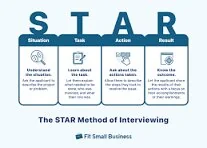
The STAR method (Situation, Task, Action, Result) is the gold standard for answering behavioral interview questions. It transforms vague answers into compelling, evidence-based stories.
- S - Situation: Set the scene briefly (2-3 sentences).
- T - Task: Clarify your specific role and objective.
- A - Action: Detail the specific steps you took and your decision-making process.
- R - Result: Quantify your impact with numbers, percentages, or metrics. This is the most important part!
Example - Question: "Tell me about a time you handled a difficult customer."
Situation: While working as a customer service manager at XYZ Corp, I received an escalation from a high-value client threatening to cancel their $50K annual contract due to recurring billing errors.

Task: My goal was to resolve the issue within 24 hours and retain the client.

Action: I immediately contacted the client, listened to their concerns, audited their account to find the root cause, and presented a resolution plan that included a small discount and a dedicated account manager.

Result: We not only retained the client, but they increased their contract by 30% the following year. I also created a new escalation protocol that reduced similar issues by 60% company-wide.
Prepare 8-10 STAR stories covering leadership, problem-solving, teamwork, conflict resolution, and failure.
American Job Openings Are Filling Fast — Are You on the List?
Thousands of U.S. employers are actively hiring right now through the American Guide Super Job network. Before you walk into that interview, make sure you've already got opportunities lined up. Enter your details and get matched to open positions near you — free and instant.
Find My American Job Matches →* Affiliate link — we may earn a commission at no extra cost to you. See our affiliate disclosure.
5. Prepare Intelligent Questions: Show Strategic Thinking
Asking thoughtful questions shows your preparation and strategic thinking. Categories of powerful questions include:
- Role-Specific: "What would success look like in this role after 6 months?"
- Team and Culture: "How would you describe the team's working style?"
- Company Direction: "What are the company's top priorities for the next year?"
- Growth and Development: "What does the typical career path look like for this position?"
Avoid asking about salary, benefits, or vacation time in the first interview.
Part 2: During the Interview - Making a Memorable Impression
The Critical First Five Minutes
Research shows that interviewers form an initial impression within 7 seconds. Make them count.
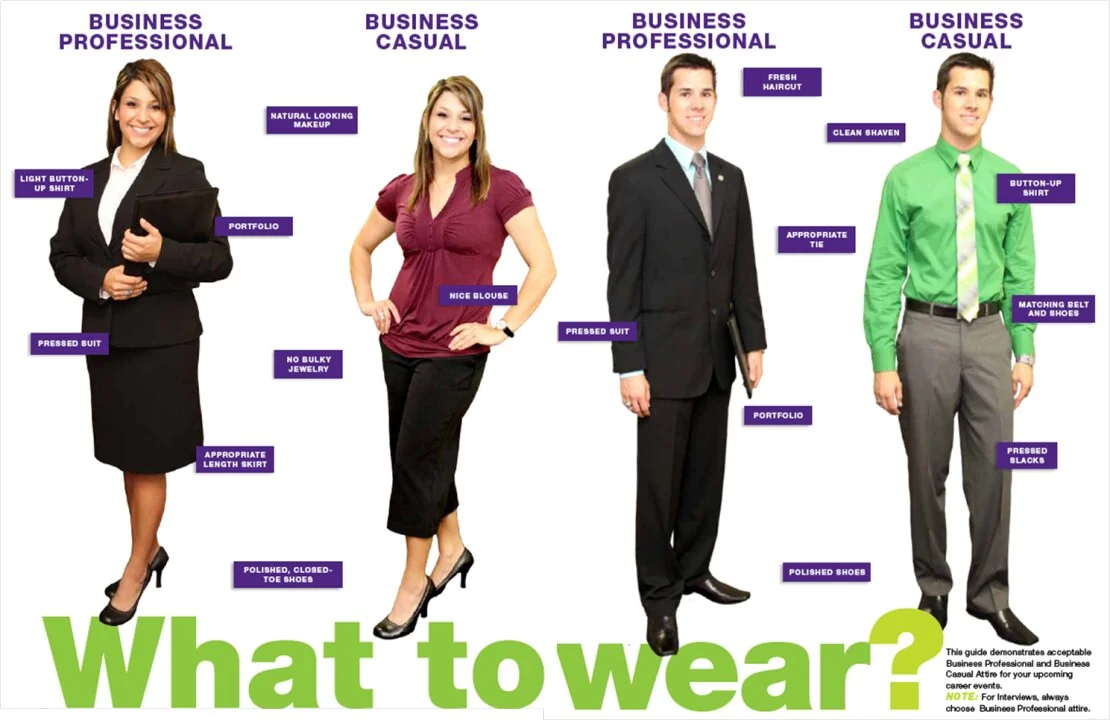
1. Professional Appearance: Dress for Success
Always lean slightly more formal than the company culture. Ensure clothes are clean, pressed, and fit well.
2. Punctuality and Logistics
- In-Person: Arrive 10-15 minutes early. Bring extra resume copies, a pen, and a notepad.
- Virtual: Test your technology 30 minutes before. Ensure a stable connection, good lighting, and a clean, quiet background. Join 2-3 minutes early.
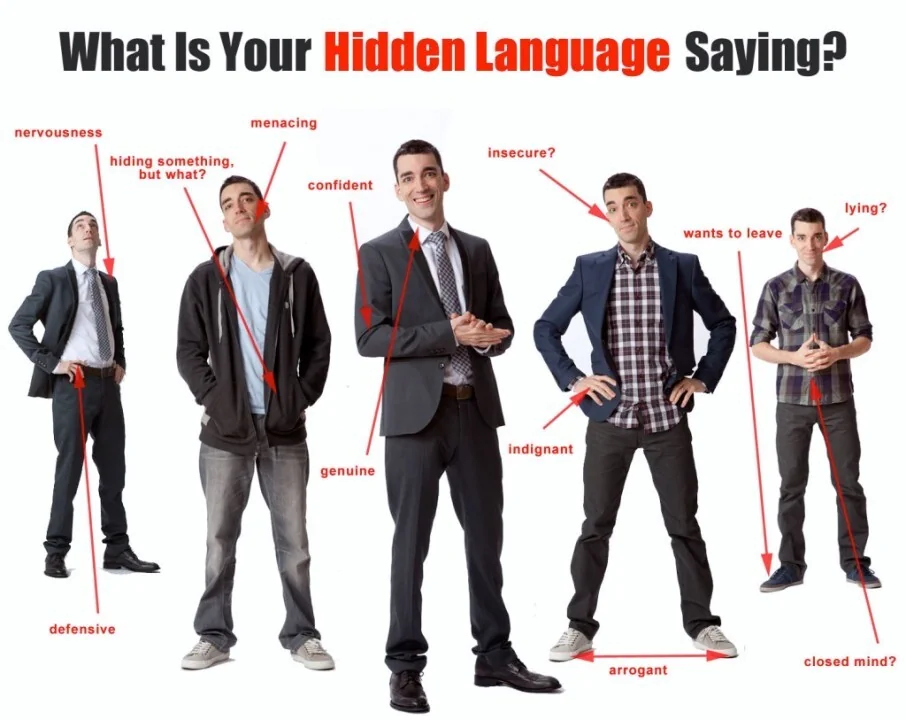
3. Body Language: The Silent Communicator
Offer a firm handshake, make eye contact, sit upright, and lean slightly forward to show engagement. For virtual interviews, look at the camera when speaking.
Communication Excellence: What and How You Say It
1. Active Listening: The Overlooked Interview Skill
Pause for 2-3 seconds after a question to process it. Don't be afraid to ask for clarification: "That's a great question. Just to confirm, are you asking about...?"
2. Structured and Concise Responses
Aim for answers between 90 seconds and 2 minutes. Structure your response with an opening statement, supporting evidence (like a STAR story), and a closing statement that connects back to the role.
3. Authenticity and Honesty: Building Trust
When asked about a weakness, be honest but focus on growth. Example: "Earlier in my career, I struggled with delegation. I've since learned that empowering my team produces better results, and I now actively mentor others."
Handling Common Interview Questions Like a Pro
- "Tell me about yourself." Use the Present-Past-Future formula. (Present: current role; Past: relevant experience; Future: why you want this role).
- "Why do you want to work here?" Combine a company-specific reason, a role-specific reason, and a personal values alignment.
- "Tell me about a time you failed." Choose a real failure, focus on the lesson learned, and show how you applied that lesson later.
- "Why are you leaving your current job?" Focus on positive reasons like seeking new challenges, growth opportunities, or a better alignment with your career goals. Never badmouth a previous employer.
Part 3: After the Interview - Strategic Follow-Through
The 24-Hour Window: Crafting the Perfect Thank-You
A survey revealed that 68% of hiring managers say a thank-you note influences their decision. Send it within 24 hours.
Anatomy of an Effective Thank-You Email:
Subject: Thank you - [Your Name] - [Position Title] Interview

Dear [Interviewer Name],

Thank you for taking the time to speak with me yesterday about the [Position Title] role. I particularly enjoyed our conversation about [specific topic you discussed].

Our discussion reinforced my enthusiasm for this opportunity and for [Company Name]'s mission. I am confident that my experience in [your key skill] can help your team achieve [specific company goal].

I look forward to hearing about the next steps and am happy to provide any additional information you might need.

Best regards,
[Your Name]
[Phone Number]
[LinkedIn Profile]
Don't Wait for Callbacks — U.S. Companies Are Hiring Right Now
The best candidates don't just send thank-you emails and wait. They keep their pipeline full. The American Guide Super Job network connects you to verified U.S. employers actively recruiting this week — no job boards, no noise. Just real openings matched to your background in under 60 seconds.
See Who's Hiring Near Me →* Affiliate link — we may earn a commission at no extra cost to you. See our affiliate disclosure.
The Follow-Up Strategy: Patience with Purpose
If you don't hear back by the date they provided (or after a week), send a brief, professional follow-up email. If there's still no response after another week, it's generally best to focus your energy on other opportunities.
Part 4: Advanced Interview Strategies for Competitive Advantage
Be prepared for different formats like panel interviews, case interviews (common in consulting), and technical interviews. If you face a stress interview with aggressive questioning, stay calm, professional, and don't take it personally.
Part 5: Special Interview Situations
- Virtual Interviews: Test your tech, control your environment, and look at the camera to create a personal connection.
- Phone Screens: Stand up to project energy in your voice and have your resume and notes in front of you.
- Second/Third Rounds: Prepare for more in-depth questions and be ready to meet with senior leadership.
Part 6: Industry-Specific Interview Tips
Tailor your preparation to the industry. Tech focuses on problem-solving and passion projects. Finance requires attention to detail and analytical thinking. Healthcare values patient care philosophy, while Sales focuses on results and communication skills.
Part 7: Salary Negotiation and Offer Discussion
Avoid discussing salary in the first interview. If pressed, provide a well-researched range. Once you have an offer, take 24-48 hours to review it. You can then present a counteroffer based on market data and the value you bring, while considering the entire compensation package (benefits, bonus, equity).
FAQs: Your Top Interview Questions Answered
- How long should I prepare? A minimum of 5-7 hours.
- What if I don't know the answer? Be honest. Say "That's not something I've encountered, but here's how I would approach it..."
- How many questions should I ask? Prepare 8-10, and aim to ask 3-5.
- How do I handle illegal questions (e.g., about age, marital status)? You can politely decline to answer: "I'd prefer to keep the focus on my qualifications for the role."
Conclusion: Your Interview Success Action Plan
Success comes from authentic preparation, strategic thinking, and genuine engagement. The best interviews feel like professional conversations, not interrogations.
Your Pre-Interview Checklist:
- Research the company, role, and interviewers.
- Prepare 8-10 STAR stories.
- Draft 10 thoughtful questions to ask.
- Choose and prepare a professional outfit.
- Get good sleep and visualize success.
- Send a personalized thank-you email within 24 hours.
Ready to Take Your Career to the Next Level?
At Talent Loop, we specialize in connecting exceptional candidates with outstanding opportunities. Our comprehensive career assessment helps match your skills and goals with positions where you'll thrive.
Take Our Free Career Assessment